Insights & Ideas for Math and Coding Success Blogs
Driven by purpose, powered by passion—see what makes Tutree more than just a tutoring platform.
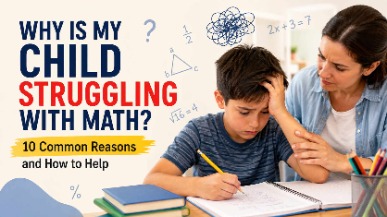
Is your child avoiding math homework, taking too long to finish assignments, or saying they are “bad at math”? Struggling with mathematics does not mean a child is incapable of learning. Weak foundations, math anxiety, classroom pacing, confusing concepts, and low confidence can all make math more difficult. This guide explains 10 common reasons children struggle with math and offers practical strategies parents can use at home. Learn how to identify math learning gaps, support consistent practi
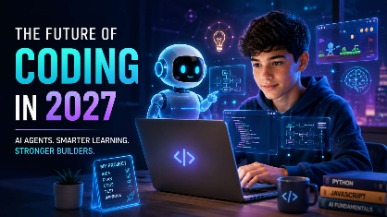
AI coding agents are changing how software is built, but what does this mean for students learning to code? Explore how coding education may evolve in 2027, the role of AI agents, and why programming fundamentals, problem-solving, creativity, and responsible AI use will remain essential for the next generation of builders.
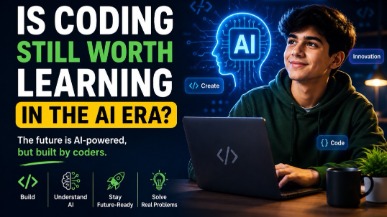
AI tools like ChatGPT and GitHub Copilot are changing how code gets written — but they haven't made coding obsolete. In fact, coding skills are more valuable than ever. This guide helps parents understand why children should still learn programming, what skills truly matter in the AI era, and how starting early gives kids a lifelong advantage in any career they choose.
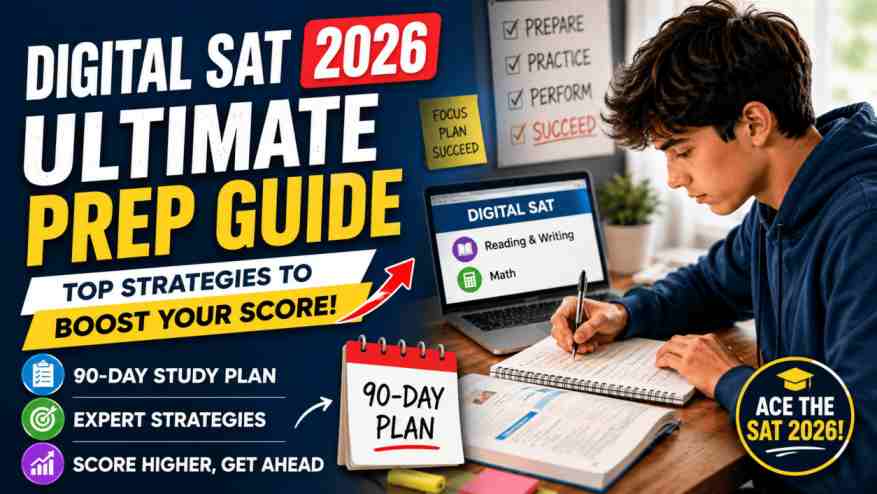
The Digital SAT 2026 is shorter, smarter, and fully adaptive — but that doesn't mean it's easier without the right preparation. This ultimate guide breaks down exactly how the Digital SAT works, shares the top strategies used by high-scoring students, gives you a complete 90-day score improvement plan, and walks you through how to find reliable online SAT tutoring near you. Whether you're aiming for 1200 or 1500, this guide gives you a clear, actionable road map to your target score.

Vibe coding strengthens core math skills by reinforcing logic, patterns, and structured problem solving through hands-on programming. By applying math concepts in real projects, students build confidence, improve reasoning, and develop academic skills that support long-term success across subjects.
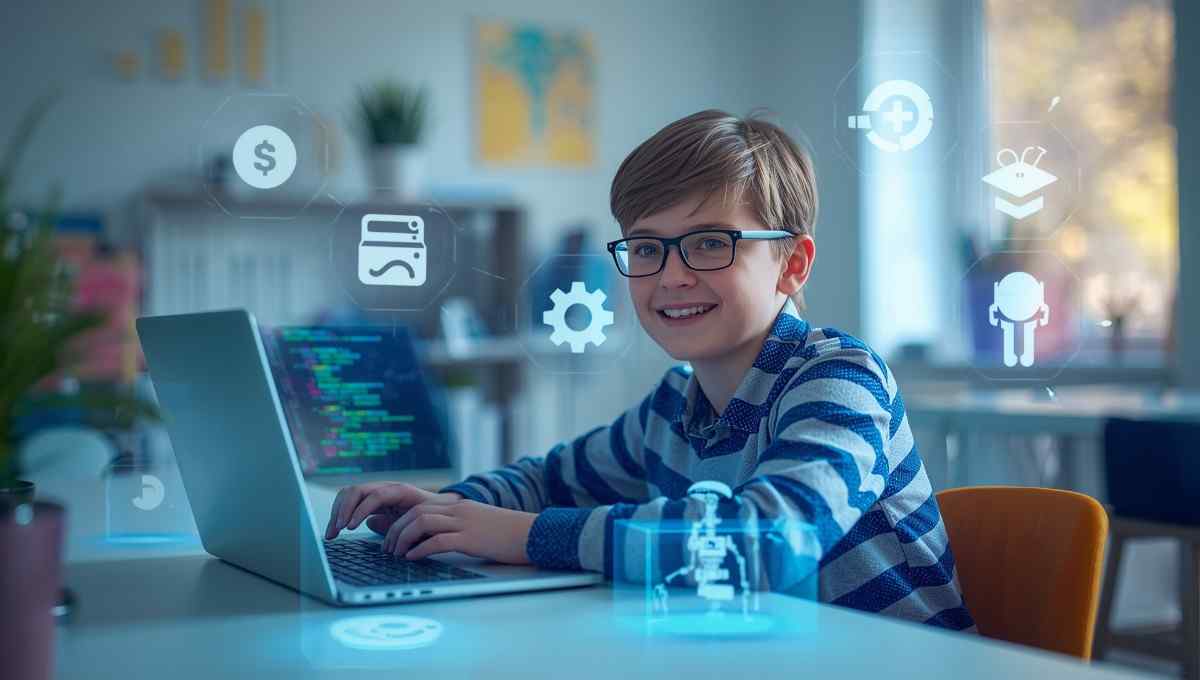
Vibe coding helps students develop problem-solving, creativity, and confidence through hands-on, engaging coding experiences. By starting early, students gain future-ready skills that apply across industries like technology, healthcare, finance, and business, preparing them for high-paying careers in a rapidly evolving job market.

Not sure when your child should start coding? This guide breaks down how vibe coding fits each grade level from Kindergarten to Grade 12. Learn how visual, creative coding adapts to different learning stages, builds confidence, and supports problem-solving without pressure.

Many children struggle in traditional classrooms that rely on memorization and rigid structure. This blog explores how vibe coding offers a creative, visual, and pressure-free way for kids to learn. By focusing on experimentation, project-based learning, and immediate feedback, vibe coding helps children build confidence, improve focus, and rediscover joy in learning.
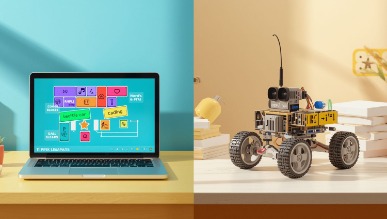
Vibe coding and robotics classes both help kids build STEM skills, but in different ways. This guide compares creativity, problem-solving, and learning outcomes to help parents choose the right path for their child.
