How Vibe Coding Prepares Students for High-Paying Future Careers
- 26 February 2026
- Published by tutree
- STEM.org Accredited™ Partner

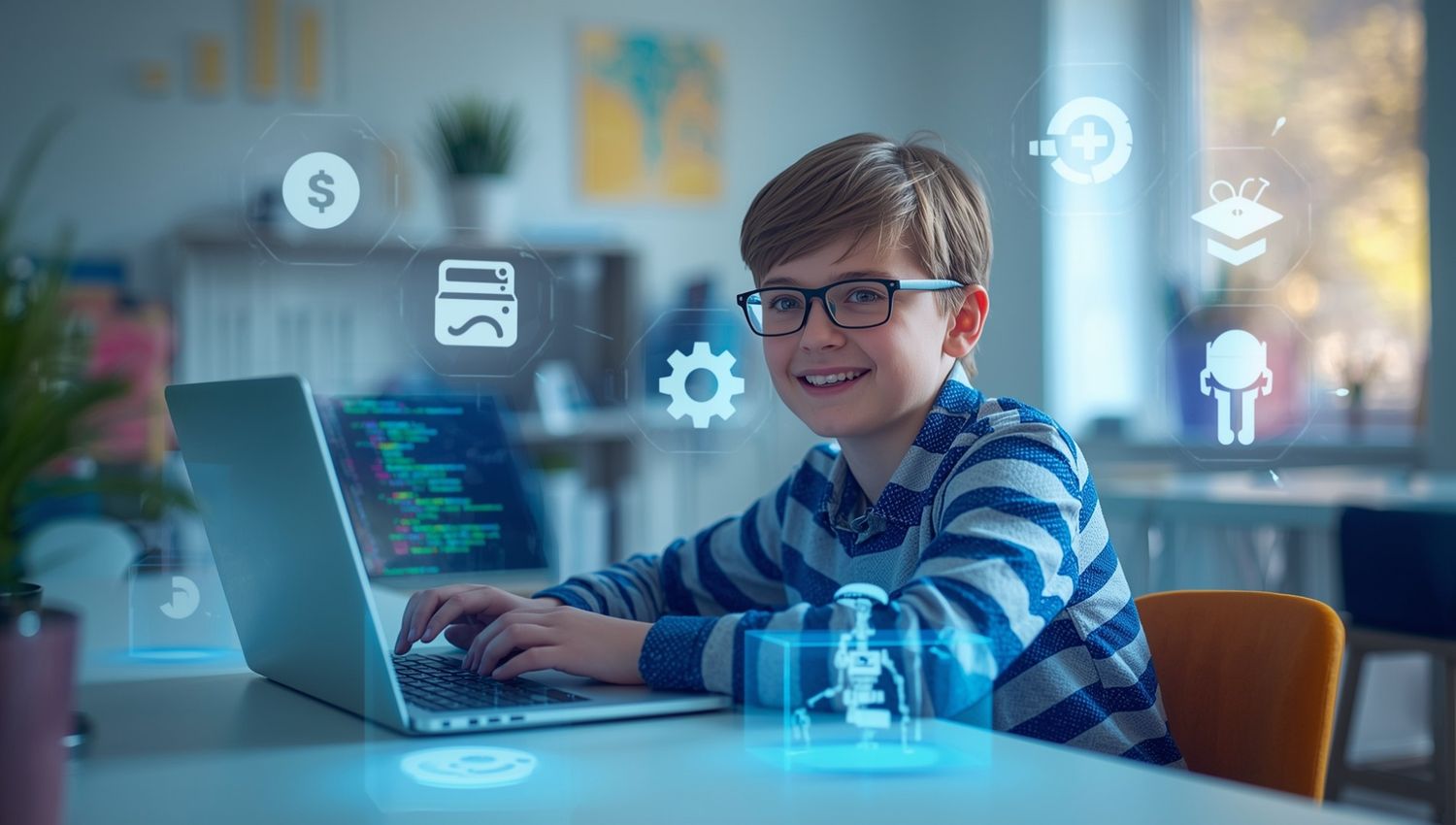
Parents often wonder if learning to code now will truly prepare their child for a high-paying career later. The answer is yes, but the type of coding education matters. Vibe coding focuses on making programming engaging, creative, and practical rather than rigid or memorization-based. This approach helps students build real problem-solving skills and confidence while exploring a subject that will shape the future job market. Coding isn't just for future software developers. It's becoming a core skill across industries like healthcare, finance, business, and engineering. Starting early gives students an advantage that extends far beyond their teenage years.
Why Coding Skills Are Becoming Career Essentials
The job market is shifting quickly. Careers that once required minimal technical knowledge now expect at least basic coding literacy. According to the U.S. Bureau of Labor Statistics, software development jobs are projected to grow 25% by 2031, much faster than the average for all occupations. But coding is also becoming important in fields like data analysis, digital marketing, and even creative industries. Employers value candidates who can think logically, troubleshoot efficiently, and adapt to new tools. These are the exact skills students develop through coding classes for kids and coding classes for middle schoolers. Learning to code early helps students become comfortable with technology rather than intimidated by it. That comfort translates into better job prospects and higher earning potential.
How Vibe Coding Builds Problem-Solving Skills
Vibe coding teaches students how to break down complex problems into smaller, manageable steps. This process mirrors what professionals do in real-world jobs every day. When a student learns to debug a program or build a simple game, they're practicing critical thinking and logic. They learn to approach challenges methodically rather than guessing randomly. These problem-solving skills transfer to other academic subjects and eventually to careers. Coding also encourages creativity. Students experiment with different solutions, test their ideas, and refine their work based on feedback. This cycle of trial and improvement builds resilience and adaptability. It teaches them that mistakes are part of learning, not failures to avoid.
Why Coding Is Valuable Beyond Tech Careers
Many parents assume coding is only useful for students who want to become software engineers. That's not true anymore. Coding skills are now relevant in nearly every professional field. Financial analysts use coding to automate data reports and build predictive models. Healthcare professionals rely on programming for medical imaging, patient records, and research. Engineers use coding to design simulations and control manufacturing processes. Even marketing teams use code to analyze campaign performance and personalize customer experiences. Students who learn to code gain a versatile skill set. They can apply their knowledge in any industry that relies on technology, which today includes almost every sector. This flexibility opens doors to higher-paying roles and career advancement.
Why Starting in Middle School and Early Teens Matters
Middle school and early teenage years are ideal for introducing coding education. At this stage, students' brains are highly receptive to learning new languages and abstract concepts. Introducing coding during this period helps them develop strong foundational skills before high school. Starting early also builds confidence. Students who feel comfortable with coding by the time they reach high school are more likely to pursue advanced courses or explore related fields. They enter college with a head start, which can lead to better internships and job opportunities. The best online coding classes for kids focus on creating a positive learning experience. They make coding approachable rather than overwhelming. This early exposure helps students see coding as a tool they can master rather than something intimidating or exclusive.
Skills Students Gain Through Vibe Coding
Vibe coding helps students develop a range of transferable skills that employers value across industries. These skills extend far beyond writing lines of code. They shape how students think, communicate, and solve problems. Here are some of the key abilities students build through online coding classes for teens and younger learners:
-
Logical thinking and structured reasoning
-
Creativity and design thinking
-
Attention to detail and accuracy
-
Collaboration and teamwork
-
Persistence and resilience
-
Adaptability to new tools and technologies
These competencies prepare students for high-paying careers in technology, business, science, and beyond. They also help students perform better academically and develop habits that support long-term success.
How Online Coding Classes Support Consistent Learning
Consistency matters when learning to code. Students benefit most when they practice regularly and receive ongoing feedback. Online coding classes for kids provide structure that helps students stay engaged and build skills over time. Live sessions with instructors allow students to ask questions, get immediate help, and stay motivated. Unlike pre-recorded videos, live classes create accountability. Students know someone is there to guide them and track their progress. This human connection makes a big difference in how quickly students learn and how confident they feel. Structured programs also ensure students follow a clear learning path. They start with foundational concepts and gradually move toward more advanced topics. This progression prevents frustration and keeps learning enjoyable. Parents appreciate being able to monitor progress and see their child's skills improve week by week.
How Coding Confidence Impacts Long-Term Success
Confidence plays a major role in career success. Students who feel capable in coding are more likely to take on challenging projects and pursue ambitious goals. This mindset extends beyond coding itself. It shapes how they approach academics, internships, and eventually their careers. Learning to code at a young age gives students a sense of accomplishment. They see tangible results from their work, whether it's a functioning program or a creative project. This experience builds self-esteem and encourages them to keep learning. Confident coders are also more willing to adapt to new technologies. As the job market evolves, adaptability becomes increasingly important. Students who grew up learning coding develop a mindset that embraces change rather than resists it. This adaptability translates into career longevity and higher earning potential over time.
Preparing Your Child for a High-Paying Future
Vibe coding offers students a real advantage in preparing for high-paying careers. It teaches problem-solving, creativity, and technical skills that apply across industries. Starting in middle school or early teenage years gives students time to build confidence and develop habits that support long-term success. Online coding programs provide the structure and consistency needed for meaningful learning. If you're looking for a way to help your child prepare for the future, coding education is one of the smartest investments you can make. Explore how online coding classes can support your child's growth and open doors to exciting career opportunities. Visit Tutree to learn more and get started today.
Related Articles
AI coding agents are changing how software is built, but what does this mean for students learning to code? Explore how coding education may evolve in 2027, the role of AI agents, and why programming fundamentals, problem-solving, creativity, and responsible AI use will remain essential for the next generation of builders.
AI tools like ChatGPT and GitHub Copilot are changing how code gets written — but they haven't made coding obsolete. In fact, coding skills are more valuable than ever. This guide helps parents understand why children should still learn programming, what skills truly matter in the AI era, and how starting early gives kids a lifelong advantage in any career they choose.
Vibe coding strengthens core math skills by reinforcing logic, patterns, and structured problem solving through hands-on programming. By applying math concepts in real projects, students build confidence, improve reasoning, and develop academic skills that support long-term success across subjects.
