Top Benefits of Vibe Coding for Children Who Struggle With Traditional Learning
- 3 February 2026
- Published by tutree
- STEM.org Accredited™ Partner

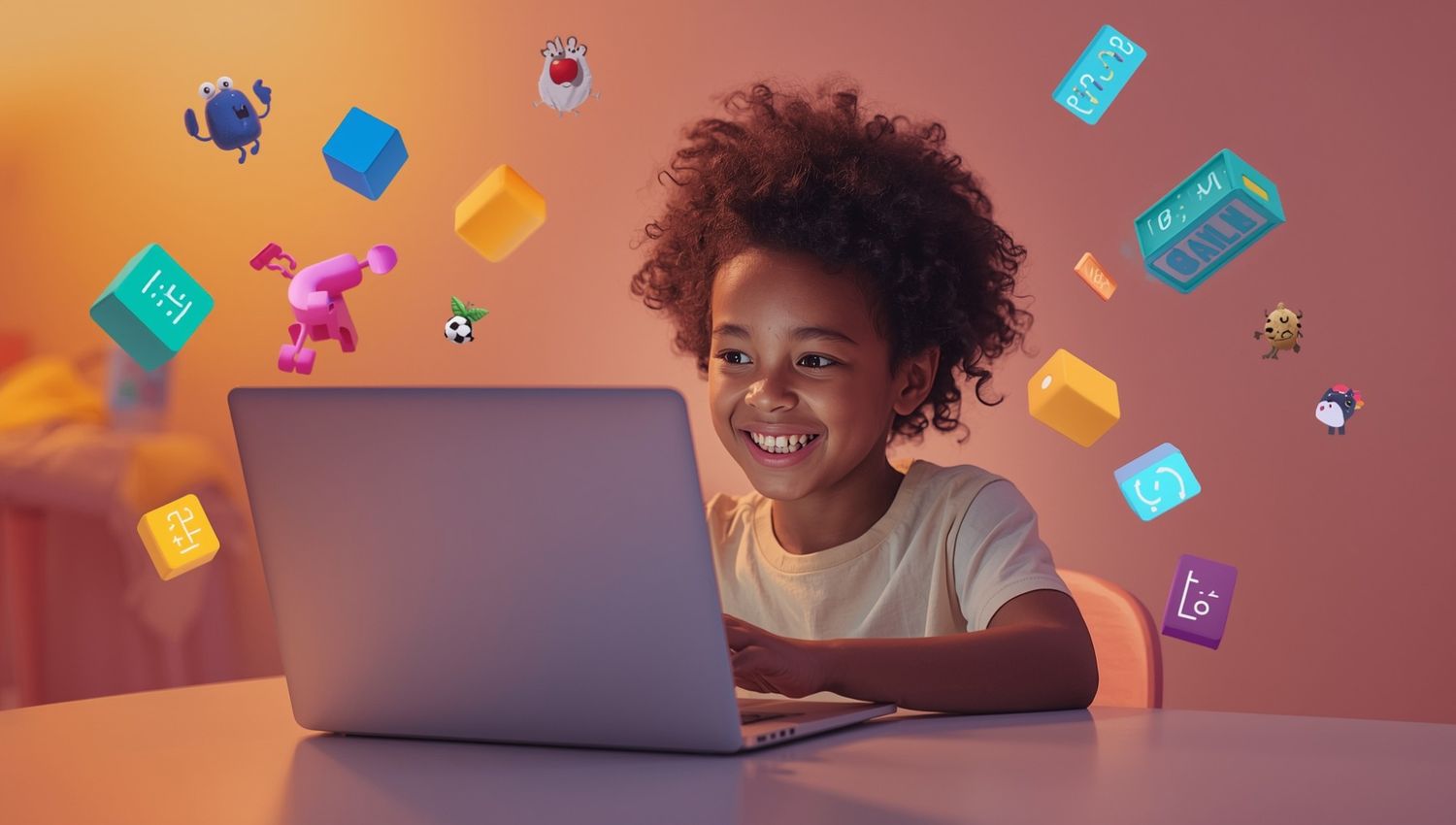
Every parent simply wants to see their child excited about learning. Yet for many families, the daily reality of school is far different. You might watch your smart, capable child shut down completely when faced with a pile of worksheets. You might see their shoulders slump when they cannot memorize a list of facts for a test. It is painful to witness their confidence fade in a classroom that values rigid structure over creativity. You know your child has brilliant ideas, but traditional school methods often fail to unlock them. If this sounds familiar, you are not alone. Many bright students struggle because standard education relies heavily on lectures and rote memorization. When a child does not fit this mold, they often believe they are not smart. This is simply not true. They just need a different entry point. This is where vibe coding comes in. It is a fresh, supportive way to learn that prioritizes creativity and logic over strict rules. It offers a path where mistakes are part of the fun and learning feels like play.
Why Traditional Classroom Learning Does Not Suit Every Child
Schools are generally built on standardization. Everyone learns the same thing, at the same time, in the same way. This works for some, but it leaves many behind. Children who are tactile, visual, or active learners often feel stifled by sitting at a desk all day. They are punished for fidgeting or daydreaming, even though that is how their brains process information. This constant negative feedback loop destroys their desire to learn. They start to think they are bad at school. In reality, the school structure is bad for them. They need an environment that celebrates their unique way of thinking. In a large class, a teacher cannot pause for one student who needs to see the problem from a different angle. This causes gaps in understanding that grow wider every year, leading to anxiety and a loss of academic self-esteem.
What Vibe Coding Means in Simple Terms
You might hear "coding" and think of complex math or endless lines of gibberish text. Vibe coding is different. It is an approach that focuses on the creative flow rather than the technical grammar. Think of it like playing with Legos instead of writing a manual. In vibe coding, children use intuition to build things. They might use block-based platforms where they drag and drop commands, or they might work with a tutor who helps them write code to make a game fun, ignoring minor errors at first. It is about the "vibe" or the feeling of creation, not the stress of perfection. It allows kids to express themselves digitally without the barrier of syntax errors stopping them every two seconds. It is fluid, experimental, and forgiving, which is exactly what an anxious learner needs to feel safe enough to try something new.
How Visual and Project-Based Coding Helps Struggling Learners
For kids who get lost in textbooks, visual coding is a lifesaver. They can see the logic happening right in front of them. If they tell a character to move left, it moves left. If it hits a wall, they see why immediately. This turns abstract concepts into concrete reality. Project-based learning means they are working toward a goal they care about, like building a video game or an animation. They are not just memorizing data for a quiz; they are solving problems to make their creation come to life. This relevance keeps them engaged when textbooks fail. When they are trying to find the best coding classes for kids, parents often find that this visual element is the missing piece of the puzzle. It bridges the gap between thinking and doing, allowing the child to bypass their struggles with reading or writing and tap directly into their problem-solving intelligence.
Support for Different Learning Styles
Vibe coding adapts to the child, rather than asking the child to adapt to it. The visual learner sees the color-coded blocks and understands the pattern. The kinesthetic learner interacts with the keyboard and mouse, physically manipulating the screen to make things happen. The logical learner enjoys the puzzle aspect of connecting cause and effect. Because this method is often effective in online coding classes for kids with a one-on-one tutor, the pace is flexible. If a child needs to spend an hour on one concept because they find it fascinating, they can. If they want to skip ahead because they understand it instantly, they can. There is no waiting for the rest of the class to catch up. This personalized attention ensures that no child feels bored or left behind, validating their specific learning style as a strength rather than a weakness to be fixed.
Confidence Building Through Immediate Feedback
In a math class, you might do a worksheet and wait days to get a grade back. By then, you have forgotten the work. In coding, feedback is instant. You run the code, and it works, or it doesn't. If it doesn't work, the computer doesn't judge you. It doesn't write "F" in red ink. It just waits for you to fix it. This changes the relationship with failure. Failure becomes just another step in the process. When a child fixes a bug and sees their game run, the rush of pride is undeniable. They realize they are capable of solving hard problems. This loop of try-fail-fix-succeed builds a reservoir of confidence. They begin to trust their own brain again. This newfound belief in themselves often spills over into other subjects, improving their overall attitude toward school and learning challenges.
Focus and Engagement Without Pressure
Many parents of neurodiverse children or those with attention struggles are shocked to see their child hyper-focus on coding. This happens because coding offers a perfect balance of challenge and reward. It is stimulating enough to keep their brain active but structured enough to not be overwhelming. Vibe coding removes the pressure of "getting it right" the first time. Tutors encourage experimentation. They say, "Let's see what happens if we change this number." This curiosity-driven approach keeps kids engaged for hours, building their attention span naturally without them even realizing they are "studying." By removing the fear of judgment, children are free to enter a state of flow. They are not worrying about grades; they are worrying about whether their zombie character can jump high enough. This shift in focus makes all the difference in their ability to concentrate.
Skills Developed Beyond Coding Itself
The benefits of coding classes for middle schoolers go far beyond the screen. Children learn computational thinking, which is a fancy way of saying they learn how to break big problems into small, manageable steps. This is a life skill. It helps with organizing a messy room, planning a homework schedule, or tackling a complex project. They also learn resilience. Coding is 90% fixing mistakes. Learning to push through frustration to find a solution is a superpower that serves them in every school subject and in life. They learn that persistence pays off. Furthermore, they develop logical reasoning and pattern recognition, skills that are crucial for math and science but are learned here in a low-stakes, high-fun environment. It quietly strengthens their academic foundation while they think they are just having fun.
How Parents Can Introduce Vibe Coding at Home
You do not need to be a tech expert to help your child start. Encourage them to explore creative apps or free tools online. Ask them questions about the games they play. How do they think the character jumps? What makes the score go up? When you look for classes, prioritize programs that emphasize creativity over rigid curriculum. Look for tutors who are patient and fun. Create a supportive space at home where screen time is viewed as active creation, not just passive consumption. Celebrate their bugs as much as their successes, because every bug is a learning moment. By showing interest in their digital creations, you validate their intelligence and creativity.
Embracing a New Way to Learn
It is time to stop measuring your child’s worth by their ability to sit still in a classroom. If traditional school is a struggle, it does not mean your child is failing. It means they need a new way to shine. Vibe coding offers that path. It takes the pressure off and puts the fun back into learning. It transforms the scary world of technology into a playground of logic and creativity. Your child deserves to feel smart. They deserve to feel capable. With the right support and a creative approach, they can discover a love for learning that lasts a lifetime.
Explore how Tutree can unlock your child's potential today at https://tutree.com/
Related Articles
AI coding agents are changing how software is built, but what does this mean for students learning to code? Explore how coding education may evolve in 2027, the role of AI agents, and why programming fundamentals, problem-solving, creativity, and responsible AI use will remain essential for the next generation of builders.
AI tools like ChatGPT and GitHub Copilot are changing how code gets written — but they haven't made coding obsolete. In fact, coding skills are more valuable than ever. This guide helps parents understand why children should still learn programming, what skills truly matter in the AI era, and how starting early gives kids a lifelong advantage in any career they choose.
Vibe coding strengthens core math skills by reinforcing logic, patterns, and structured problem solving through hands-on programming. By applying math concepts in real projects, students build confidence, improve reasoning, and develop academic skills that support long-term success across subjects.
