Math Skills + Vibe Coding: How Programming Strengthens Core Academic Skills
- 26 February 2026
- Published by tutree
- STEM.org Accredited™ Partner

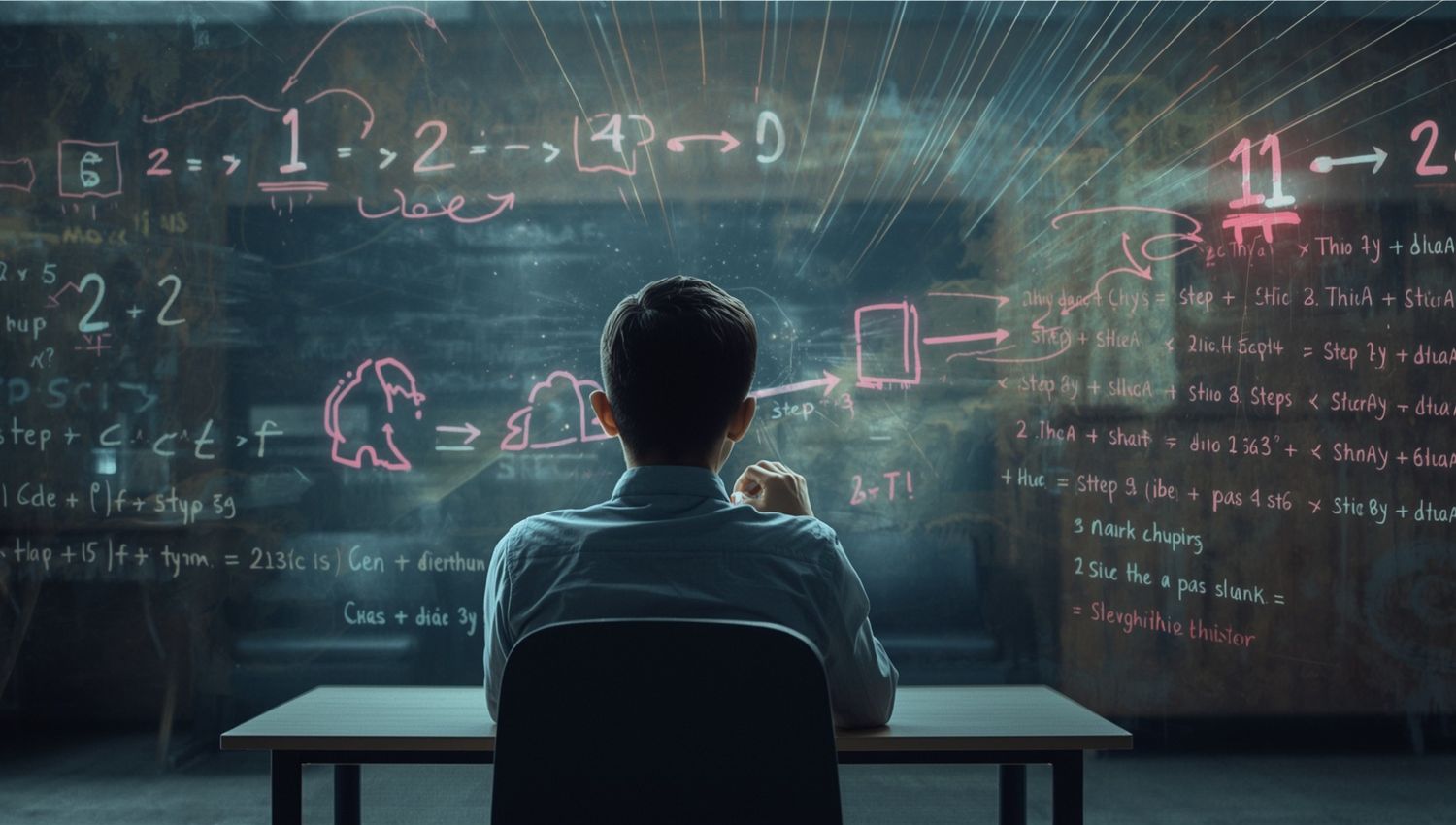
Many parents wonder if coding is worth the time and effort for their children. The answer goes beyond learning to write code. Programming helps students strengthen math skills, build logical thinking, and develop confidence in problem-solving. These benefits extend far into their academic journey and prepare them for success in multiple subjects.
Vibe coding is a creative, project-based approach that makes programming accessible and engaging for younger learners. Unlike traditional coding methods that focus heavily on syntax and rules, vibe coding emphasizes exploration, experimentation, and visual feedback. This style of learning naturally reinforces the same skills students use in math class, making it a valuable complement to their education.
Why Math and Coding Are Naturally Connected
Math and coding share a foundation built on patterns, logic, and problem-solving. When students write code, they break down complex tasks into smaller steps, similar to how they solve word problems in math class. Both subjects require recognizing relationships between numbers and understanding how sequences lead to results.
Programming also introduces abstract thinking in a hands-on way. Variables in code work like variables in algebra, holding values that change based on conditions. Functions mirror mathematical operations, taking inputs and producing outputs. Students who practice coding become more comfortable with these concepts, which helps them grasp similar ideas in their math coursework.
How Coding Reinforces Core Math Concepts
Coding classes for kids introduce fundamental math concepts through real-world application. When students write loops, they practice counting, sequencing, and understanding increments. When they create conditionals, they explore logic statements similar to those found in geometry proofs. These activities reinforce skills that directly support classroom learning.
Variables and equations become clearer when students see them in action. A child who codes a simple animation learns how changing a variable affects the outcome. This immediate feedback helps solidify understanding in ways that traditional worksheets cannot. Structured problem-solving becomes second nature as students debug code and refine their approach.
How Programming Strengthens Logical Thinking
Logical thinking is at the heart of both coding and math. When students learn to code, they develop reasoning skills by predicting what will happen when they run a program. If the result differs from their expectation, they analyze the error and adjust their logic. This process mirrors the reasoning required to solve algebraic equations or prove geometric theorems.
Debugging teaches students to think step by step and identify where their logic breaks down. They learn to question assumptions, test hypotheses, and verify results. These habits transfer directly to math class, where students must show their work and explain their reasoning. Over time, coding practice builds a disciplined approach to problem-solving that benefits all academic areas.
Why Vibe Coding Makes Math More Engaging
Vibe coding turns abstract math concepts into visual, interactive projects. Instead of memorizing formulas, students create games, animations, and simulations that bring math to life. This creative approach increases motivation and helps students see the relevance of what they are learning. When math feels less like a chore and more like exploration, engagement naturally increases.
Active learning through coding also builds intrinsic motivation. Students take ownership of their projects and feel proud when they solve challenges independently. This sense of accomplishment boosts confidence and encourages them to tackle harder problems. For middle schoolers and teens especially, vibe coding offers a way to connect math skills with creativity and self-expression.
Academic Skills Built Through Coding Practice
Coding helps students develop a wide range of transferable academic skills, including:
-
Critical thinking: Evaluating multiple solutions and choosing the most efficient approach
-
Attention to detail: Recognizing that small errors can change outcomes significantly
-
Perseverance: Working through frustration and trying different strategies until success
-
Communication: Explaining their reasoning and documenting their thought process
-
Time management: Breaking large projects into manageable tasks and setting goals
These skills are essential not only for math but for science, reading comprehension, and writing assignments. Students who develop them through online coding classes for kids often see improvement across their entire academic performance. The structured nature of coding practice helps them build discipline and focus that carries over into other subjects.
Why Coding Improves Math Confidence Over Time
Confidence in math often comes from repeated success and understanding. Vibe coding provides frequent opportunities for students to experience wins, no matter how small. Each completed project or solved bug reinforces the belief that they can figure things out. This mindset shift is especially important for middle schoolers and teens who may have struggled with math in the past.
As students progress in coding, they begin to see themselves as capable problem-solvers. This self-perception changes how they approach math challenges in school. Instead of feeling defeated by difficult problems, they become more willing to try different strategies. Coding classes for middle schoolers help build this resilience by creating a safe space to experiment and learn from mistakes.
How Online Coding Classes Support Academic Growth
Online coding classes for teens and younger students offer structure that supports consistent learning. Live instruction means students receive real-time feedback and personalized guidance. They can ask questions, clarify confusion, and receive encouragement from experienced tutors who understand how to make complex ideas accessible.
Structured lessons also ensure that students build skills progressively. Each session introduces new concepts while reinforcing previous knowledge. This scaffolded approach mirrors effective math instruction and helps students retain what they learn. Regular practice through coding assignments keeps skills sharp and prepares students for more advanced topics in both coding and math.
Building Lifelong Skills Through Coding and Math
Programming and math education work together to prepare students for future success. The skills students develop through vibe coding extend beyond academics into career readiness and everyday problem-solving. Logical thinking, attention to detail, and perseverance are valuable in nearly every profession. Starting early gives students a strong foundation they can build on throughout their education.
Parents looking to support their child's academic growth should consider how coding complements traditional learning. The best online coding classes for kids combine creativity with structure, making learning enjoyable and effective. Platforms like Tutree offer live, personalized instruction that adapts to each student's pace and learning style. Explore how structured online coding programs can strengthen your child's math skills and confidence at https://tutree.com/.
Related Articles
AI coding agents are changing how software is built, but what does this mean for students learning to code? Explore how coding education may evolve in 2027, the role of AI agents, and why programming fundamentals, problem-solving, creativity, and responsible AI use will remain essential for the next generation of builders.
AI tools like ChatGPT and GitHub Copilot are changing how code gets written — but they haven't made coding obsolete. In fact, coding skills are more valuable than ever. This guide helps parents understand why children should still learn programming, what skills truly matter in the AI era, and how starting early gives kids a lifelong advantage in any career they choose.
Vibe coding helps students develop problem-solving, creativity, and confidence through hands-on, engaging coding experiences. By starting early, students gain future-ready skills that apply across industries like technology, healthcare, finance, and business, preparing them for high-paying careers in a rapidly evolving job market.
